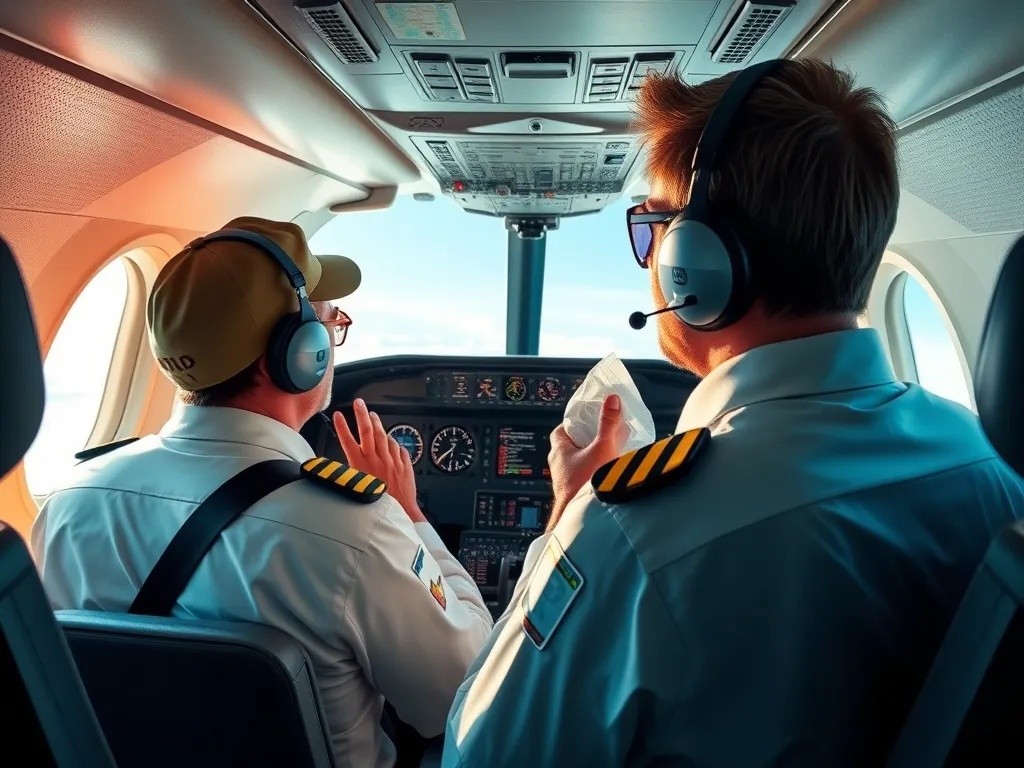
While passengers settle into their seats and browse through meal options, have you ever wondered what the pilots steering your aircraft are eating? The answer involves more than just personal preference. Pilot meals are governed by strict safety regulations, airline policies, and practical considerations that ensure both the crew's wellbeing and passenger safety throughout the flight.
The Critical Safety Rule: Never Eat the Same Meal
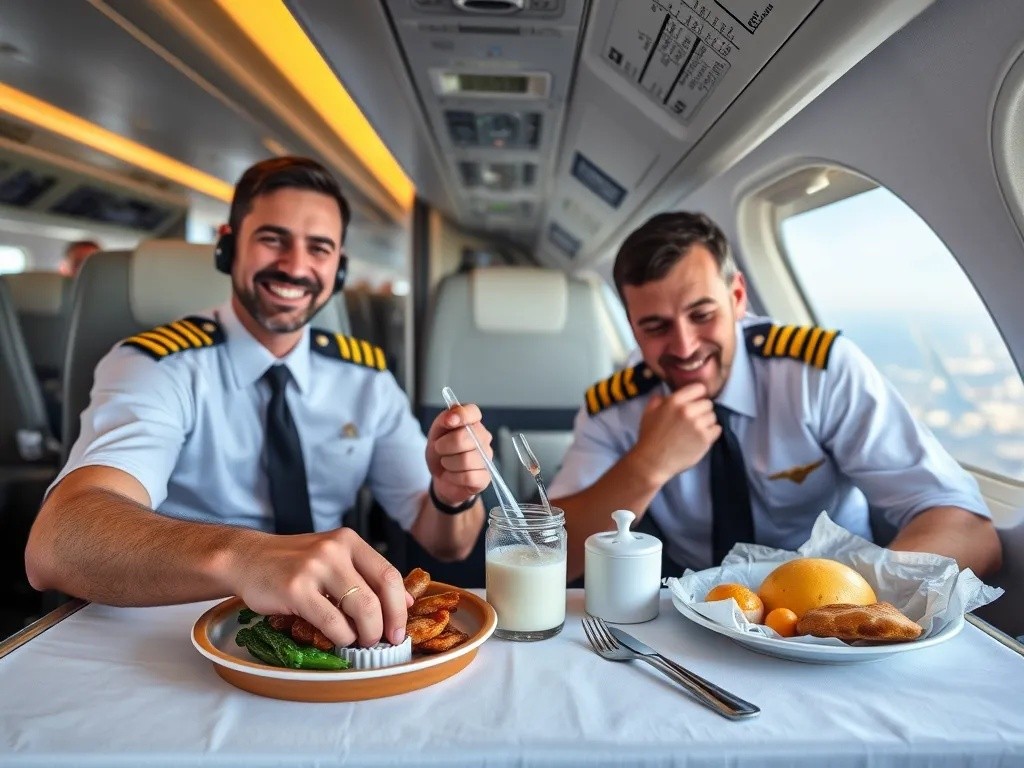
The most important regulation governing pilot meals is surprisingly simple yet vital: the captain and first officer must never eat the same meal. This rule exists as a safeguard against food poisoning. If both pilots consumed contaminated food from the same source, they could both become incapacitated, creating a potentially catastrophic situation at 35,000 feet.
This policy is strictly enforced across commercial airlines worldwide. When meal carts arrive in the cockpit, pilots coordinate to ensure they're selecting different options. On a flight where chicken and beef are available, if the captain chooses chicken, the first officer must select beef. This simple protocol has prevented numerous potential emergencies over the decades.
What's Actually on the Menu?
Long-Haul International Flights
On long-haul international flights, pilots typically receive the same quality meals as business class passengers, though this varies by airline. The meals are usually prepared by the same catering companies that service passenger cabins, ensuring consistent quality and food safety standards.
A typical long-haul pilot meal service might include:
- A choice between two or three main courses, such as grilled salmon, braised beef, or vegetarian pasta
- Fresh salad or appetizer
- Bread roll with butter
- Dessert, often fruit or a small pastry
- Beverages including coffee, tea, juice, and water
Short-Haul and Domestic Flights
Shorter flights present different challenges. On flights under two hours, pilots might only receive light refreshments or snacks rather than full meals. These typically consist of sandwiches, wraps, fruit, energy bars, or similar portable options that can be consumed quickly without disrupting flight operations.
Many pilots on shorter routes prefer to eat before or after their flights, especially if they're operating multiple legs in a single day. In these cases, they might bring their own snacks and meals from home, ensuring they maintain energy levels throughout their duty period.
Timing and Practical Considerations
When Do Pilots Eat?
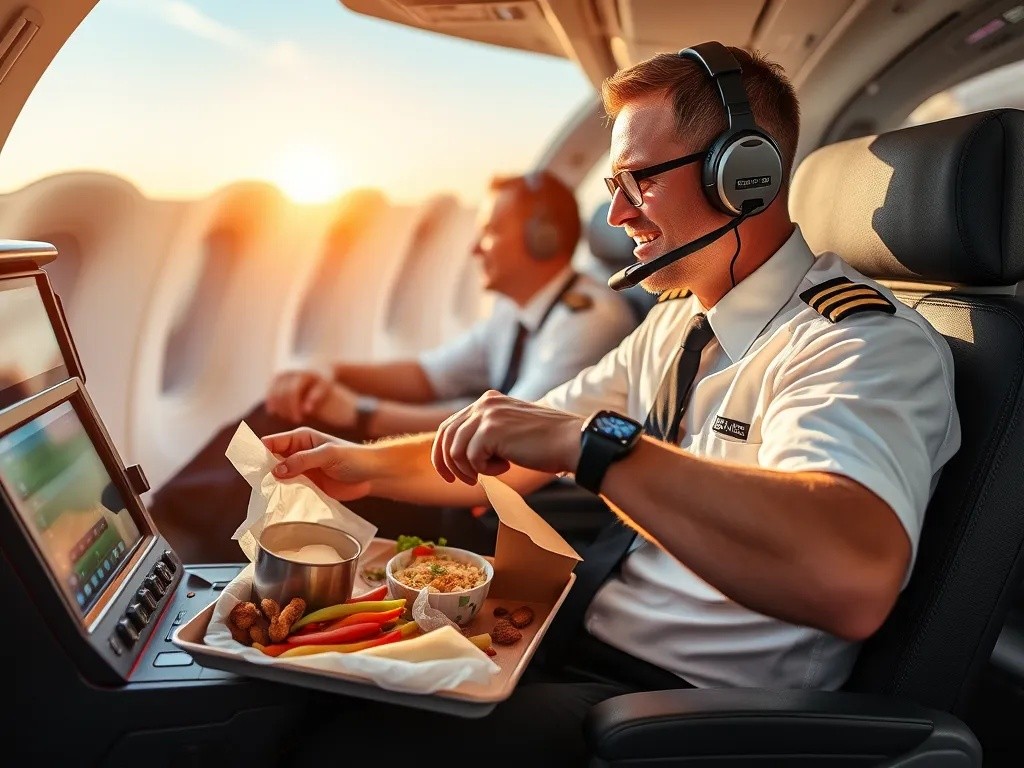
Unlike passengers who typically eat during designated meal services, pilots must coordinate their eating times carefully. They rarely eat simultaneously. One pilot will eat while the other remains fully focused on flying the aircraft and monitoring systems. Once the first pilot finishes, they resume their duties, and the second pilot can then take their meal break.
Critical phases of flight, particularly takeoff and landing, require both pilots to be completely focused. Meals are therefore typically served and consumed during cruise, when the aircraft is at altitude and flying straight and level. Even during cruise, one pilot must always be ready to respond immediately to any situation that might arise.
The Cockpit Dining Experience
Eating in the cockpit is far from the leisurely dining experience passengers might enjoy. Space is limited, and pilots eat at their seats with trays balanced carefully among the array of controls, switches, and displays. They must remain buckled in and ready to respond to any situation, which means meals are often consumed relatively quickly.
Dietary Restrictions and Special Meals
Just like passengers, pilots can request special meals to accommodate dietary restrictions, allergies, or personal preferences. Airlines typically require advance notice for these requests. Common special meal options include vegetarian, vegan, gluten-free, halal, or kosher meals.
Some pilots choose to avoid heavy meals during flights, believing that lighter fare helps them stay alert. Others specifically avoid foods that might cause drowsiness or digestive discomfort. Individual airlines may also provide guidelines about meal choices, particularly regarding foods that are more likely to cause issues at altitude.
Hydration and Beverages
Staying hydrated is crucial for pilots, especially on long flights. The low humidity environment of an aircraft cabin, typically around 10-20%, can lead to dehydration, which affects alertness and decision-making capabilities.
Pilots have constant access to water and other beverages. However, there's one strict rule that surprises many people: alcohol consumption is absolutely prohibited for pilots before and during flights. Federal aviation regulations in most countries require pilots to abstain from alcohol for at least 8-12 hours before flying, with most airlines enforcing even stricter 24-hour policies.
Coffee and tea are popular choices in the cockpit, helping pilots maintain alertness during long flights or early morning departures. However, many experienced pilots moderate their caffeine intake to avoid the potential crash that can follow excessive consumption.
Bringing Food from Home
Many pilots, especially those on shorter routes or with specific dietary preferences, choose to bring their own food from home. This gives them complete control over their nutrition and ensures they're eating foods that help them perform at their best.
Home-packed meals might include sandwiches, salads in containers, nuts, fruits, protein bars, and other portable foods that travel well. This practice is particularly common among pilots with food allergies or those following specific dietary regimens for health or athletic training purposes.
The Future of Pilot Nutrition
As our understanding of nutrition and performance evolves, airlines are paying increased attention to pilot meal programs. Some carriers are consulting with nutritionists to develop menus specifically designed to support alertness, reduce fatigue, and promote optimal cognitive function during flights.
Research into circadian rhythms and jet lag has influenced meal timing and composition recommendations for pilots, particularly those operating ultra-long-haul routes or frequently crossing multiple time zones.
Conclusion
The next time you're enjoying your in-flight meal, remember that the pilots upfront are following a carefully orchestrated dining routine designed with your safety in mind. From the fundamental rule that prevents them from eating the same meal to the timing of when they can take their breaks, every aspect of pilot nutrition during flight is governed by regulations and best practices developed over decades of aviation experience. While it might not be glamorous, this system ensures that those responsible for safely delivering you to your destination remain alert, healthy, and ready to handle whatever challenges might arise at 35,000 feet.