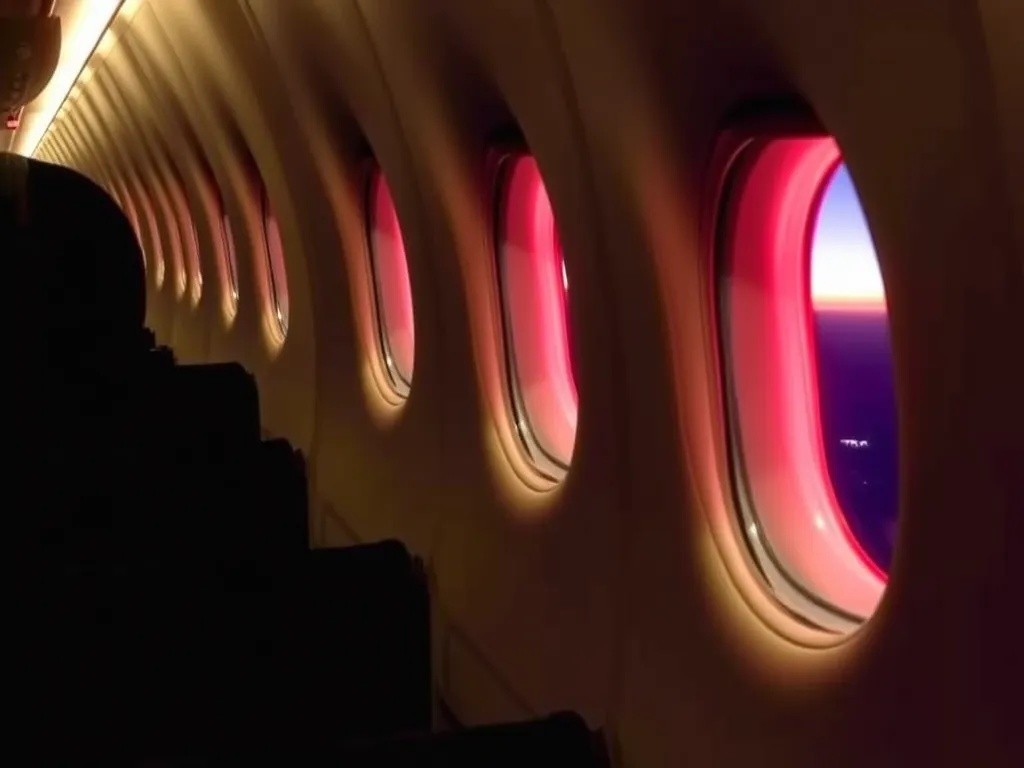
Red eye flights have long been a topic of debate among travelers. These overnight flights, typically departing late at night and arriving early in the morning, promise cost savings and time efficiency but come with the notorious side effect of exhaustion. Whether you're a budget-conscious traveler, a business professional maximizing your schedule, or simply curious about this travel option, understanding the real pros and cons can help you make an informed decision.
What Exactly Are Red Eye Flights?
The term "red eye flight" originates from the bloodshot, tired eyes passengers often sport after traveling overnight. These flights typically depart between 9 PM and 1 AM and land in the early morning hours, usually between 5 AM and 7 AM. The concept is simple: sleep on the plane during hours you'd normally be sleeping at home, and wake up ready to start your day at your destination.
Red eye flights are most common on transcontinental routes in the United States, such as Los Angeles to New York, or on international routes where the time difference makes overnight travel logical. Airlines schedule these flights to maximize aircraft utilization and offer passengers an alternative to daytime travel.
The Case for Red Eye Flights
Significant Cost Savings
One of the most compelling reasons travelers choose red eye flights is the price. These overnight journeys are typically 20-40% cheaper than their daytime counterparts. For budget-conscious travelers, families, or anyone making frequent trips, these savings can add up substantially over time. The money saved on airfare can be redirected toward accommodation, experiences, or other travel expenses.
Maximizing Your Time
Time is perhaps the most valuable commodity for many travelers. Red eye flights allow you to avoid losing a full day to travel. You can work a full day, catch your evening flight, sleep during the journey, and arrive at your destination ready to start your morning. For business travelers attending early meetings or tourists wanting to maximize their vacation days, this efficiency is invaluable.
Less Crowded Airports and Planes
Late-night airports tend to be quieter and less congested. Security lines are shorter, gate areas are less crowded, and the overall stress level is lower. Additionally, red eye flights often have more empty seats, giving you a better chance of stretching out or having an entire row to yourself—a luxury that can make sleeping much easier.
Avoiding Peak Traffic
Traveling to and from airports during late-night and early-morning hours means avoiding rush hour traffic. This can save time, reduce stress, and even cut down on transportation costs if you're using ride-sharing services that employ surge pricing during peak hours.
The Case Against Red Eye Flights
The Exhaustion Factor
The primary drawback of red eye flights is right there in the name. Most people struggle to sleep well on planes, even in the best circumstances. The combination of uncomfortable seating, engine noise, cabin pressure changes, and general anxiety about travel makes quality sleep difficult. You might arrive at your destination physically present but mentally foggy, which can impact your first day significantly.
Health Considerations
Disrupting your sleep schedule can have real health consequences. Research shows that irregular sleep patterns can affect your immune system, cognitive function, and mood. If you're prone to jet lag, a red eye flight can exacerbate the problem. Some travelers report taking days to fully recover from a single overnight flight.
Productivity Loss
While red eye flights theoretically save time, arriving exhausted can mean your first day at your destination is a write-off. If you need to attend an important meeting or want to explore a new city, being sleep-deprived can undermine your plans. The time saved in travel might be lost in reduced productivity or missed experiences.
Limited Amenities
During overnight flights, many airline services are reduced. Meal service is minimal, flight attendants dim the cabin lights and limit movements to avoid disturbing sleeping passengers, and entertainment options might feel less appealing when you're trying to rest. If you have questions or need assistance, you might find it harder to get help during these hours.
Who Should Consider Red Eye Flights?
Red eye flights aren't for everyone, but certain travelers may find them particularly beneficial:
- Budget travelers who prioritize savings over comfort
- Business professionals who can't afford to lose a workday
- People who sleep easily in any environment
- Travelers with flexible schedules who can rest upon arrival
- Those making short trips where maximizing destination time is crucial
Making Red Eye Flights More Bearable
Preparation Strategies
If you decide a red eye flight is worth it, proper preparation can significantly improve your experience. Invest in quality noise-canceling headphones or earplugs to block out cabin sounds. A good eye mask is essential for blocking out any residual light. Dress in comfortable, loose-fitting clothes and bring layers since airplane temperatures can fluctuate.
Sleep Aids and Comfort Items
Consider bringing a travel pillow, blanket, or both. While airlines provide these items, having your own ensures better quality and hygiene. Some travelers find natural sleep aids like melatonin helpful, though it's wise to test any supplement before your trip and consult with a healthcare provider. Stay hydrated but limit caffeine and alcohol, as both can interfere with sleep quality.
Strategic Seat Selection
When booking, choose your seat carefully. Window seats allow you to control the shade and provide a surface to lean against. Avoid seats near bathrooms or galleys where noise and foot traffic will disturb you. If possible, select seats with extra legroom or consider upgrading to premium economy or business class if your budget allows.
The Verdict: Are They Worth It?
The answer to whether red eye flights are worth the exhaustion ultimately depends on your personal circumstances, priorities, and sleep adaptability. For travelers who can sleep anywhere and prioritize cost savings or time efficiency, red eye flights offer genuine value. However, if you struggle with sleep in general, have important commitments immediately upon arrival, or simply value your comfort and well-being, the money saved might not justify the physical toll.
Consider trying a red eye flight on a less critical trip to see how your body responds. Some people discover they handle overnight flights better than expected, while others confirm their suspicions that traditional daytime travel suits them better. There's no universal answer—only what works best for your travel style, budget, and tolerance for disrupted sleep.
Ultimately, red eye flights are a tool in the traveler's toolkit. Used strategically and with proper preparation, they can be an excellent way to save money and time. Used carelessly or by travelers ill-suited to overnight travel, they can turn the excitement of a trip into a exhausting ordeal. The key is knowing yourself, your needs, and making an informed choice that aligns with your travel goals.